At a glance
- Region offers context; family practice supplies the detail.
- Shopping customs range from metal purchases to simple home items.
- Diwali calendars and names vary across India.
Look for patterns without making rules
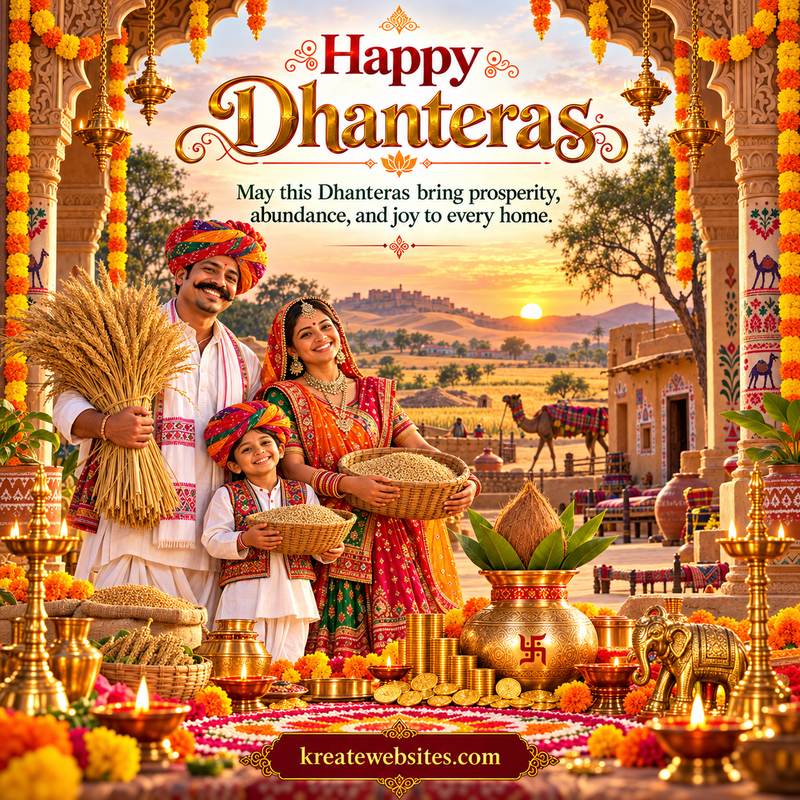
In many households, Dhanteras means preparing the home, lighting lamps, praying for well-being and making an auspicious purchase. Gold and silver receive attention, but utensils, small household goods or no purchase at all can also fit the celebration.
Customs move with people. A family living in Bengaluru may follow traditions inherited from Rajasthan; a household overseas may combine practices from several regions. A state label alone cannot tell you the exact ritual, menu or shopping preference.
Northern and western household traditions
Many families in northern and western India give Dhanteras a visible place in the Diwali season, with lamps, Lakshmi-Kubera worship and purchases such as coins or utensils. Brooms, coriander seeds and particular household objects appear in some local traditions, but their importance varies.
Trading families may connect the wider festival with account books and new beginnings. Keep Dhanteras distinct from the locally observed day of Chopda Puja rather than assuming every prosperity ritual happens together.
Different emphases elsewhere
Across southern India, the broader Deepavali season has its own household rhythms, including traditions associated with Naraka Chaturdashi. Dhanvantari devotion and Dhanteras purchases may be observed by some families or temples, while other households give greater emphasis to another festival day.
Eastern and northeastern India also contain many distinct Diwali, Kali Puja and community traditions. Participation in Dhanteras shopping can coexist with these observances, but it should not be used to imply that everyone celebrates the same deities or sequence.
Three questions for a family conversation
- What do we call the observance? Ask about names, stories and the local calendar used at home.
- What do we actually do? Note the prayers, lamps, food, purchases or charitable gestures that matter.
- What can change? Discuss budget, accessibility, travel and modern household needs while preserving the meaning.
Buying respectfully for someone else
Ask before giving religious imagery, precious metals or food. The recipient may prefer a plain useful object, a different type of sweet or a greeting in their own language. Avoid presenting one regional custom as more authentic than another.
A thoughtful regional guide makes room for variety. Use the shared themes: health, preparation, hospitality and prosperity: as a starting point, and let each household describe its own celebration.
Frequently asked questions
Does every Indian region celebrate Dhanteras the same way?
No. Religious calendars, local customs and household histories create different emphases across India.
Can a family follow customs from more than one region?
Yes. Interregional families and communities often combine practices in ways that are meaningful to them.
How should I choose a regional Dhanteras gift?
Ask about the recipient’s preferences and practice. A modest useful gift or greeting is often easier to personalize than an assumed ritual item.
May the light of Dhanteras bring gratitude to your home, care to your choices and warmth to every relationship.